
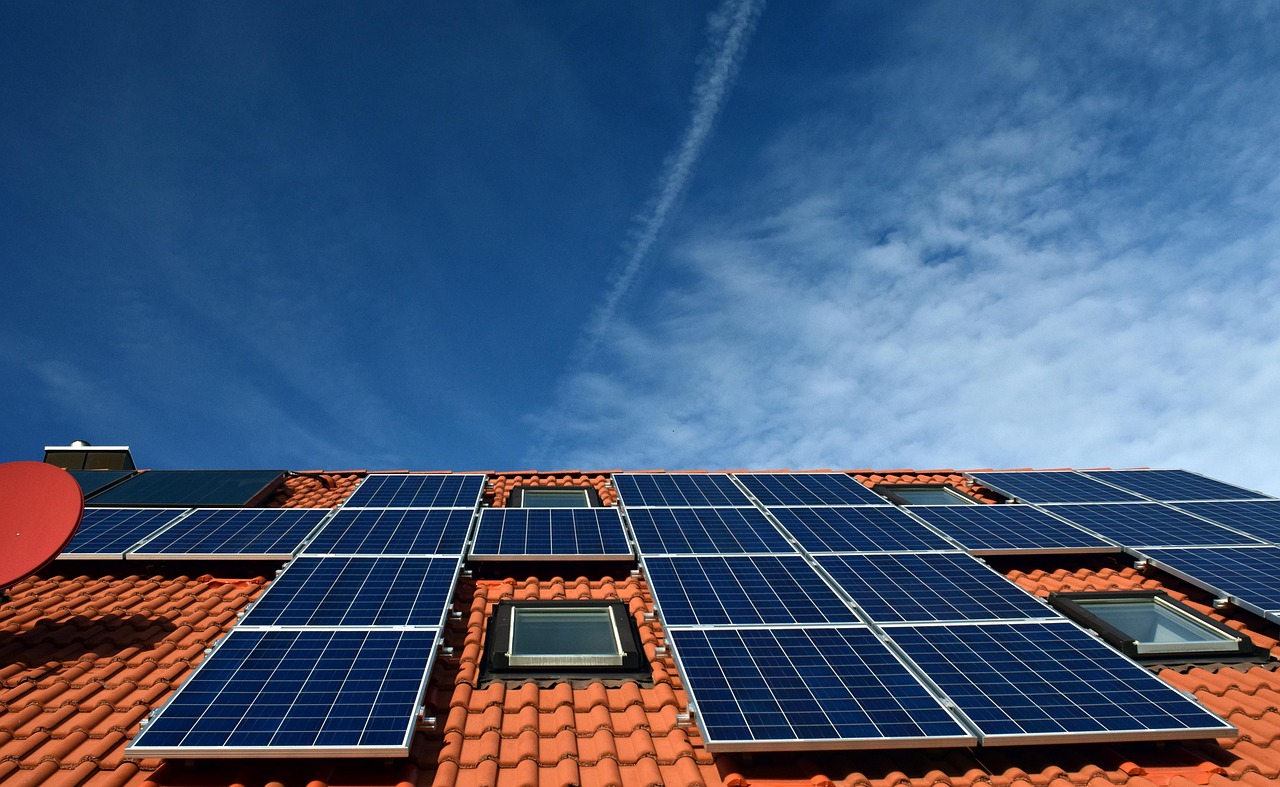
You can turn your building envelope into a power generator without sacrificing design or function. Building-integrated solar embeds photovoltaic technology into roofs, façades, and glazing so your structure produces electricity while serving as a weatherproof, insulating, or aesthetic element.
Expect practical guidance on how integrated systems differ from mounted panels, where they work best, and what trade-offs to weigh when planning installation. Glance ahead to learn types of BIPV products, real-world uses, and steps to integrate them into new builds or retrofits so your project captures clean energy efficiently and elegantly.
Overview of Building Integrated Solar
Building integrated solar systems combine electricity generation with structural or envelope functions, replacing or augmenting conventional building materials. They affect design decisions, material selection, energy yields, and maintenance plans.
Definition and Core Principles
You deploy building-integrated solar when photovoltaic elements become part of the building envelope—roofing, façades, windows, or shading devices—rather than mounted separately. The core principles are dual functionality (structural or environmental performance plus power generation), seamless aesthetic integration, and site-specific system sizing to match building loads.
Design integration requires early collaboration between architects, engineers, and installers. You must consider orientation, tilt, thermal performance, fire and weather ratings, and local building codes. Electrical integration also matters: inverter placement, wiring paths, and safety disconnects affect system efficiency and serviceability.
Key Types of Integrated Solar Technologies
You can choose from several integrated product families:
- BIPV modules for roofs and façades: Rigid PV panels designed to replace cladding or roofing tiles. They provide weatherproofing and generation in one element.
- Semi‑transparent photovoltaic glazing: Glass with embedded cells that transmits light while producing electricity, suited for curtain walls and canopies.
- Thin‑film flexible membranes: Lightweight films laminated to curved surfaces or retrofit membranes on existing roofs.
- Bifacial panels integrated into façades or canopies: Capture direct and reflected light, increasing yield on reflective or lightly shaded surfaces.
Select products based on load-bearing needs, daylighting goals, and thermal performance. Pay attention to expected energy yield per square meter, system weight, and long-term durability data.
Advantages Over Traditional Solar Panels
You gain several concrete advantages with integrated systems. First, they reduce material redundancy by replacing conventional cladding or glazing, lowering embodied material costs and simplifying the envelope assembly. Second, they enable generation at the point of use, which cuts transmission losses and can offset building peak loads more effectively.
Integrated systems also offer aesthetic and code benefits: they improve architectural cohesion and may satisfy local incentives or green building certifications that reward integrated renewables. Finally, you can optimize building energy balance by combining PV with shading or daylighting strategies, improving occupant comfort while producing electricity.
Applications and Implementation
Building-integrated solar transforms façade, roof, and window elements into active energy components while affecting aesthetics, structural loads, and building systems. You will balance electrical output, weatherproofing, fire safety, and occupant comfort when planning installation.
Design Considerations for Architecture
You must treat BIPV as both a building material and an electrical system. Start by defining the primary function of the element — structural cladding, weather barrier, daylighting, or shading — and select PV products that meet those functions and relevant codes (wind, snow, fire).
Consider orientation, tilt, and shading at each façade or roof plane; vertical façades produce lower energy per area but offer integration and architectural value. Use performance modeling (hourly irradiance + thermal loads) to compare configurations and justify trade-offs in energy yield versus form.
Pay attention to thermal bridging, condensation risk, and ventilation behind modules. Specify compatible flashing, drainage paths, and thermal breaks. Coordinate early with structural, waterproofing, and façade consultants to size fixings and support subframes for wind and seismic loads.
Common Building Materials and Systems
You will encounter four common approaches: replaceable cladding modules, PV roofing membranes, glazed BIPV (solar glass), and building-wired curtainwalls. Each has distinct attachment, fire-rating, and insulation implications.
- Replaceable cladding modules: rigid crystalline or thin-film panels mounted on subframes; good for opaque façades.
- PV roofing membranes: flexible thin-film integrated into low-slope roofs; useful for retrofit waterproofing and lightweight roof assemblies.
- Glazed BIPV: laminated solar glass for windows, skylights, or spandrels; balances daylighting with energy generation.
- Curtainwall-integrated PV: modules embedded in unitized façades with dedicated electrical interconnection and maintenance access.
Specify fire ratings, impact resistance, and U-value or SHGC for glazed products. Plan access for replacement and wire routing through service cavities. Use standardized junction boxes and rapid-disconnects for safety and HVAC/fire-safety interoperability.
Integration with Modern Smart Buildings
You will connect BIPV to building energy management systems (BEMS) for monitoring, demand response, and storage coordination. Provide module-level monitoring (MLPEs) or string inverters with communications (Modbus, BACnet, or native BEMS APIs) to track performance and diagnose faults.
Design control logic for self-consumption: prioritize onsite loads (EV charging, HVAC preconditioning) before exporting. Pair with battery storage and smart inverters to provide frequency response, volt-VAR support, and islanding capability where code permits.
Include cybersecurity and access controls for inverter and gateway firmware. Ensure data granularity supports maintenance (panel-level issues) and operations (real-time yield, irradiance correlation). Coordinate with IT and facility teams for physical and network access.
Challenges and Limitations
You will face technical, regulatory, and economic constraints when implementing BIPV. Technical limits include lower specific yield on vertical façades, potential overheating behind non-ventilated modules, and complex wiring routes that increase installation cost.
Regulatory issues often involve variable local fire and façade codes, permitting for integrated glazing, and inconsistent interconnection rules for export and islanding. Economic limitations include higher unit costs than rooftop PV, longer payback in low-energy-rate markets, and potential premium for specialty architectural products.
Mitigate risks by early code review, life-cycle cost analysis, and pilot installations. Specify replaceable modules and standardized electrical components to reduce maintenance complexity and future-proof your investment.