
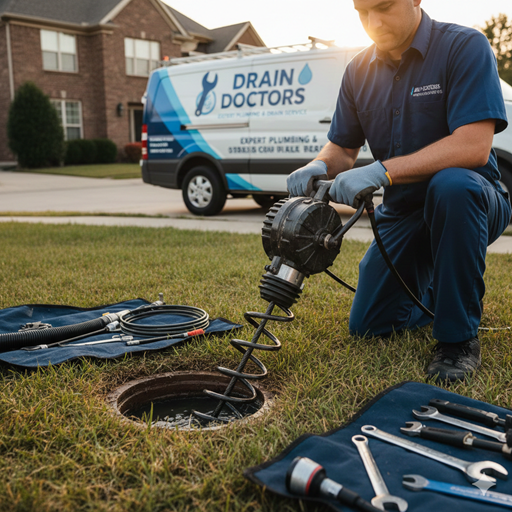
Clogged or slow drains interrupt your day and often signal a hidden problem in your plumbing. You can clear most common blockages yourself with the right tools and know-how, and you’ll know when it’s time to call a professional. This post Drain Cleaning shows practical cleaning steps, safe product choices, and when to book expert services so you stop guessing and start fixing.
In drain clean post, Follow clear, actionable guidance on techniques from plunging and snakes to hydro-jetting and CCTV inspections, plus simple prevention tips that reduce future headaches. Keep reading to learn how to protect your pipes, save money, and keep water flowing smoothly.
Comprehensive Guide to Drain Cleaning
This section explains why drains clog, how to recognize trouble early, and practical methods you can use — from simple DIY steps to when to call a pro. Follow the measures and checks below to reduce backups and limit damage.
Common Causes of Drain Blockages
Hair and soap scum form dense mats in bathroom drains. Hair binds with greasy soap residues and gradually reduces flow; over weeks it can create a near-complete plug.
Kitchen sinks clog from food particles, grease, and starchy waste. Pouring fats, oils, and grease (FOG) down the sink lets them cool and solidify on pipe walls. Coffee grounds and potato starch also aggregate and trap other debris.
Foreign objects and mineral buildup block drains in basements and older homes. Small toys, sanitary products, and mineral scale (hard-water deposits) narrow pipes over time. Tree roots intruding into sewer lines cause sudden severe blockages and often require excavation or root-cutting equipment.
Signs Your Drains Need Cleaning
Slow drainage and gurgling noises are early warning signs. Water that pools in sinks or tubs and takes extra time to fall indicates partial blockage in the trap or nearby pipe.
Foul odors and recurring clogs mean organic buildup or trapped food. Smells coming from drains, especially after standing water drains away, point to decomposing material in the trap or deeper lines.
Multiple fixtures backing up together suggests a main sewer line issue. If toilets, floor drains, and sinks clog at once, suspect a sewer obstruction or tree-root infiltration rather than a single fixture problem.
Step-by-Step Drain Cleaning Methods
Start with simple mechanical and nonchemical options. Use a plunger on sinks or tubs, and remove and clean the P-trap under the sink: place a bucket, loosen slip nuts, clear debris, and reassemble. Use a drain snake (hand auger) to break up clogs 3–6 feet into the pipe.
Try a baking soda and vinegar flush for organic buildup. Pour 1/2 cup baking soda, then 1/2 cup vinegar; wait 15–30 minutes and follow with hot (not boiling) water. This works for minor grease and soap films but won’t clear deep or root-related blockages.
Use a power auger or hydro-jet only when needed. Rent a powered auger for long clogs or hydro-jetting for heavy grease/scale — both can damage old clay or cast-iron pipes, so inspect pipe condition first. Call a licensed plumber for persistent clogs, sewer backups, or if you detect sewage odors, soggy yard areas, or recurring problems despite DIY efforts.
Professional and Preventive Drain Solutions
You can restore flow, avoid frequent clogs, and reduce repair costs by combining professional services with routine care. Focus on expert cleaning methods, scheduled maintenance, and safer cleaning choices to keep drains working reliably.
Benefits of Hiring Drain Cleaning Experts
Professionals use specialized tools like motorized augers, hydro-jetters, and camera inspection systems to remove buildup your DIY methods can’t reach. That clears grease, hair, scale, and tree-root intrusions more completely and reduces the chance of recurring clogs.
Licensed technicians diagnose underlying causes during inspection, so you avoid repeated service calls for the same problem. They also follow safety practices that prevent pipe damage, sewage exposure, or improper chemical use that can shorten plumbing life.
Expect documented work: a written estimate, scope of work, and after-service notes. Those records help with warranty claims and future maintenance planning. Many pros offer emergency service and scheduled preventive cleanings, giving predictable costs and fewer surprises.
Preventive Maintenance Tips for Clear Drains
Use a simple maintenance routine: run hot water after each use, flush drains weekly with a 1:1 mix of vinegar and baking soda followed by hot water, and install strainers on sinks and tubs to catch hair and large debris. These actions reduce buildup without harsh chemicals.
Schedule a camera inspection and professional cleaning every 12–24 months for main sewer lines or more often if you have heavy use or tree roots nearby. Keep a log of plumber visits and any recurring symptoms like slow drainage, gurgling, or localized odors.
Avoid flushing grease, fibrous food scraps, coffee grounds, and nondegradable wipes. Teach household members what to toss and what to recycle or compost. Replace old trap assemblies and worn seals during routine visits to prevent slow leaks and bad smells.
Eco-Friendly Drain Cleaning Options
Choose mechanical methods first: plungers, drain snakes, and hydro-jetting remove clogs without toxic residue. Hydro-jetting uses high-pressure water to scour pipe walls, cutting through grease and biofilm while avoiding harmful chemicals when performed by trained technicians.
When chemicals are necessary, opt for enzymatic or bacterial cleaners that digest organic buildup over time. These products break down fats and proteins slowly and pose lower risk to plumbing and septic systems than caustic or acidic chemicals.
Consider preventative technologies like enzymatic tablets for regular maintenance or install grease traps for kitchen sinks to reduce sewer-line buildup. Ask your plumber about disposal and handling practices to ensure solutions comply with local wastewater regulations.