
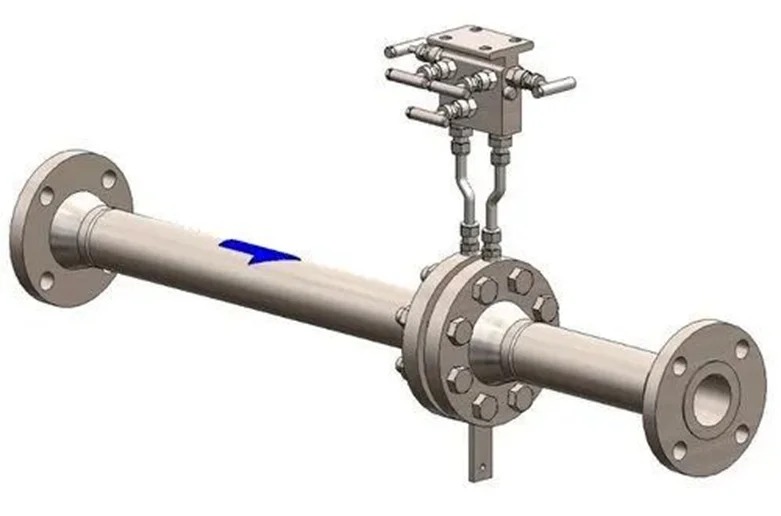
Accurate flow measurement plays a critical role in maintaining efficiency and consistency across pipeline systems in industrial operations. Even minor inaccuracies can lead to operational losses, safety concerns, and process instability. Among various flow measurement devices, the orifice flow meter remains a widely adopted solution due to its simplicity and reliability. However, its accuracy depends on several influencing factors that must be carefully managed.
From installation practices to fluid characteristics, each element contributes to measurement performance. Understanding these factors allows industries to optimise pipeline operations while ensuring consistent and dependable flow monitoring.
Understanding Flow Measurement in Pipelines
Flow measurement is essential for controlling and monitoring the movement of fluids within pipelines. It ensures that processes remain within defined operational limits while supporting efficiency and safety.
Accurate Flow Measurement Helps in:
- Maintaining process balance
- Preventing overuse or underuse of resources
- Supporting system optimisation
- Reducing operational risks
In pipeline systems, differential pressure-based devices are commonly used due to their reliability. Among these, the orifice flow meter is preferred for its straightforward design and ability to perform in demanding environments.
Working Principle of Orifice-Based Measurement
The working principle is based on creating a restriction in the flow path. When fluid passes through a narrowed section, its velocity increases, causing a drop in pressure. This pressure difference is measured and used to calculate flow rate.
Key Components:
- Orifice plate
- Pressure taps
- Flow transmitter
The accuracy of this system depends on how effectively these components function together under varying conditions.
Pipe Conditions That Impact Measurement Accuracy
Pipeline characteristics play a significant role in determining measurement precision. Even small deviations in pipe conditions can lead to incorrect readings.
Pipe Diameter and Geometry
Variations in pipe diameter can alter flow distribution, directly impacting measurement accuracy. Consistency in pipe dimensions is essential for reliable results.
Internal Surface Roughness
Rough surfaces create turbulence, which disrupts smooth flow patterns. This turbulence can distort pressure readings and reduce accuracy.
Upstream and Downstream Disturbances
Disturbances such as bends, valves, or fittings affect flow uniformity. To minimise errors:
- Ensure sufficient straight pipe length before and after the meter
- Avoid placing the meter near flow disruptions
Fluid Properties and Their Influence
Fluid characteristics significantly affect measurement outcomes. Since the calculation is based on pressure differences, any variation in fluid properties can lead to inaccuracies.
Key Influencing Properties:
| Property | Impact on Measurement |
| Density | Affects pressure differential calculation |
| Viscosity | Influences flow behaviour and turbulence |
| Temperature | Alters fluid properties and expansion |
| Pressure | Changes density and flow characteristics |
Maintaining stable fluid conditions is essential for consistent readings.
Installation Practices and Their Role
Improper installation is one of the most common causes of inaccurate flow measurement. Even high-quality equipment can deliver poor results if not installed correctly.
Important Installation Considerations:
- Correct alignment of the meter with pipeline flow
- Adequate straight pipe lengths upstream and downstream
- Proper positioning of pressure taps
- Avoiding vibration-prone areas
Attention to installation details ensures that the system performs as expected.
Calibration and Maintenance Factors
Over time, equipment performance may decline due to wear and operational stress. Regular calibration ensures that measurement accuracy is maintained.
Key Maintenance Practices:
- Periodic inspection of the orifice plate
- Cleaning to prevent deposits and blockage
- Checking for mechanical damage
- Verifying pressure measurement systems
Neglecting maintenance can result in gradual accuracy loss and unreliable data.
Environmental and Operational Conditions
External factors can also influence measurement performance. Environmental conditions often introduce variables that affect system stability.
Common Influences:
- Temperature fluctuations
- Vibrations from nearby machinery
- Exposure to corrosive elements
Operational consistency is equally important. Sudden changes in flow rate or pressure can disrupt measurement stability.
Material Selection and Equipment Quality
The quality of materials used in manufacturing flow measurement devices directly impacts their durability and accuracy. Equipment designed with precision engineering ensures better performance under demanding conditions. A reliable oil field equipment manufacturer focuses on:
- High-grade materials
- Precision fabrication
- Compliance with industry standards
Choosing well-built components reduces the chances of performance issues and extends operational life.
Best Practices to Maintain Accuracy
Maintaining accuracy requires a combination of proper design, installation, and ongoing management. Following best practices helps ensure consistent performance.
Recommended Practices:
- Maintain consistent flow conditions
- Ensure proper installation guidelines are followed
- Conduct regular calibration and inspection
- Use high-quality equipment from trusted sources
- Monitor system performance continuously
Implementing these measures reduces errors and improves overall system reliability.
Conclusion
Accurate flow measurement remains a key requirement in maintaining efficient pipeline operations. Multiple factors influence the performance of measurement systems, ranging from installation conditions to fluid properties and environmental influences. By understanding and addressing these elements, industries can achieve consistent and reliable results. Proper maintenance, correct installation, and high-quality equipment all contribute to improved accuracy.
Selecting dependable solutions and following best practices ensures long-term performance. NND OIL & GAS supports industrial operations with reliable systems designed to meet evolving process requirements while maintaining accuracy and operational stability.