A malfunctioning gas furnace can leave you cold and confused, but you can often diagnose common issues quickly and decide whether to fix them yourself or call a pro. You’ll learn how to spot ignition and airflow problems, estimate basic repair costs, and know exactly when a technician’s license and tools become necessary.
This article Gas Furnace Repair breaks down clear repair fundamentals and what professional service covers, so you can act with confidence and avoid unnecessary expense. Stay with the guidance that helps you assess safety risks, weigh DIY fixes against certified repair, and get your home warm again.
Gas Furnace Repair Fundamentals
You need to know which parts commonly fail, how to find the likely cause, routine upkeep you can safely do, and which repairs require a technician. Focus on ignition, airflow, fuel delivery, and controls.
Common Gas Furnace Problems
Weak or no heat often stems from clogged air filters, a failing blower motor, or a faulty pilot/ignition system.
Uneven heating usually indicates blocked return vents, a malfunctioning thermostat, or duct leaks that reduce airflow to parts of the house.
Pilot light or electronic ignition failure shows as repeated lockouts or a steady flame that won’t stay lit; smell of gas with no ignition requires immediate shutoff and a call to the gas company.
Strange noises—rattles, screeches, or booming—point to loose panels, failing blower bearings, or delayed ignition causing gas buildup.
Frequent cycling (short cycling) can result from an oversized furnace, restricted airflow, or a bad limit switch.
Troubleshooting Gas Furnace Issues
Start with safety: turn off power and gas before inspecting components, and restore only for test steps.
Check the thermostat: ensure correct mode, fresh batteries, and proper wiring. Replace batteries first; recalibrate if temperatures read incorrectly.
Inspect the air filter: replace a dirty filter immediately; a clogged filter reduces heat transfer and stresses the blower.
Confirm proper ignition: for standing pilot, verify flame size and color; for electronic ignitions, cycle power and watch for consistent spark or hot-surface glow.
Observe the blower and vents: clear debris from the blower housing and ensure return and supply vents are open and unobstructed.
Read error codes: many furnaces blink an LED fault code; note the pattern and consult the manufacturer’s manual for precise diagnostics.
DIY Gas Furnace Maintenance
Replace your air filter every 1–3 months depending on filter type and household conditions.
Keep 2–3 feet of clearance around the furnace and remove dust from the blower compartment quarterly.
Lubricate blower motor bearings only if your motor has oil ports; most modern motors are sealed and require no lubrication.
Clean the flame sensor with a fine abrasive pad if you see ignition problems or frequent shutoffs—remove, wipe gently, and reinstall.
Verify the condensate drain (high-efficiency systems) is clear; flush with vinegar or a mild cleaner to prevent clogs and drain pan overflow.
Do a visual inspection of gas lines for corrosion or odor; any suspected leak requires immediate shutoff and professional response.
Types of Gas Furnace Repairs
Minor repairs you can handle include filter replacement, flame sensor cleaning, thermostat battery swaps, and clearing vents.
Intermediate tasks suitable for capable DIYers: replacing blower belts, replacing capacitors, and swapping out the ignition module—only if you’re comfortable with electrical components and power disconnection.
Major repairs that require a licensed technician: gas valve replacement, control board replacement, heat exchanger repairs, and brazing or welding on gas lines.
Safety-critical issues—gas leaks, cracked heat exchangers, carbon monoxide alarms triggered, or persistent odor of gas—demand immediate professional intervention and evacuation if necessary.
Keep records of parts, model numbers, and service dates to speed professional diagnostics and warranty claims.
Professional Gas Furnace Repair Services
You’ll learn when to call a technician, what repair costs typically involve, how to pick a qualified service, and maintenance steps that reduce breakdowns and safety risks.
When to Call a Technician
Call a technician immediately if your furnace emits unusual smells (especially sulfur or rotten-egg odor) or you detect even a faint burning odor repeatedly. Those can indicate a gas leak or electrical issue; leave the house and call emergency services if you suspect gas.
Schedule service when you notice these operational signs: frequent short-cycling, loud banging or rattling during startup, pilot light or flame changes (yellow or flickering instead of steady blue), or a steady drop in heat output despite normal thermostat settings. Also call if your carbon monoxide detector alarms or you see soot or rust buildup.
Minor issues like a dirty filter or tripped breaker you can check yourself. Anything involving gas lines, combustion, or internal electrical components requires a licensed HVAC technician.
Cost of Gas Furnace Repair
Repair costs vary by problem, part, and labor rates in your area. Expect common repairs to fall in these ranges:
- Thermostat replacement or calibration: $100–$300
- Ignition or pilot assembly repair: $150–$400
- Blower motor replacement: $300–$900
- Heat exchanger repair or replacement: $500–$2,500
Get at least two written estimates for any repair over $400. Ask technicians to itemize parts, labor hours, diagnostic fee, and warranty. Diagnostic fees are commonly $75–$150 and are often applied to the repair cost if you proceed.
Consider age and efficiency. If repair costs exceed 50% of a replacement furnace’s value and your unit is older than 15 years, replacement may be more economical long term. Factor in energy savings, expected lifespan, and available rebates.
Choosing a Qualified Repair Service
Verify licensing and insurance before booking. A qualified company will show proof of HVAC license, general liability insurance, and workers’ compensation coverage. Ask for the technician’s certifications (NATE or manufacturer-specific training) relevant to your furnace brand.
Check reviews and references for same-day response, punctuality, and post-repair follow-up. Request a written estimate and a clear warranty: at minimum, 30–90 days on labor and 1–5 years on parts depending on the component. Confirm emergency or after-hours rates and whether the company conducts safety checks after repair.
Prefer technicians who perform a safety inspection, combustion analysis, and carbon monoxide check before leaving. Keep contact info, license number, and invoice for warranty and future maintenance tracking.
Preventative Maintenance Strategies
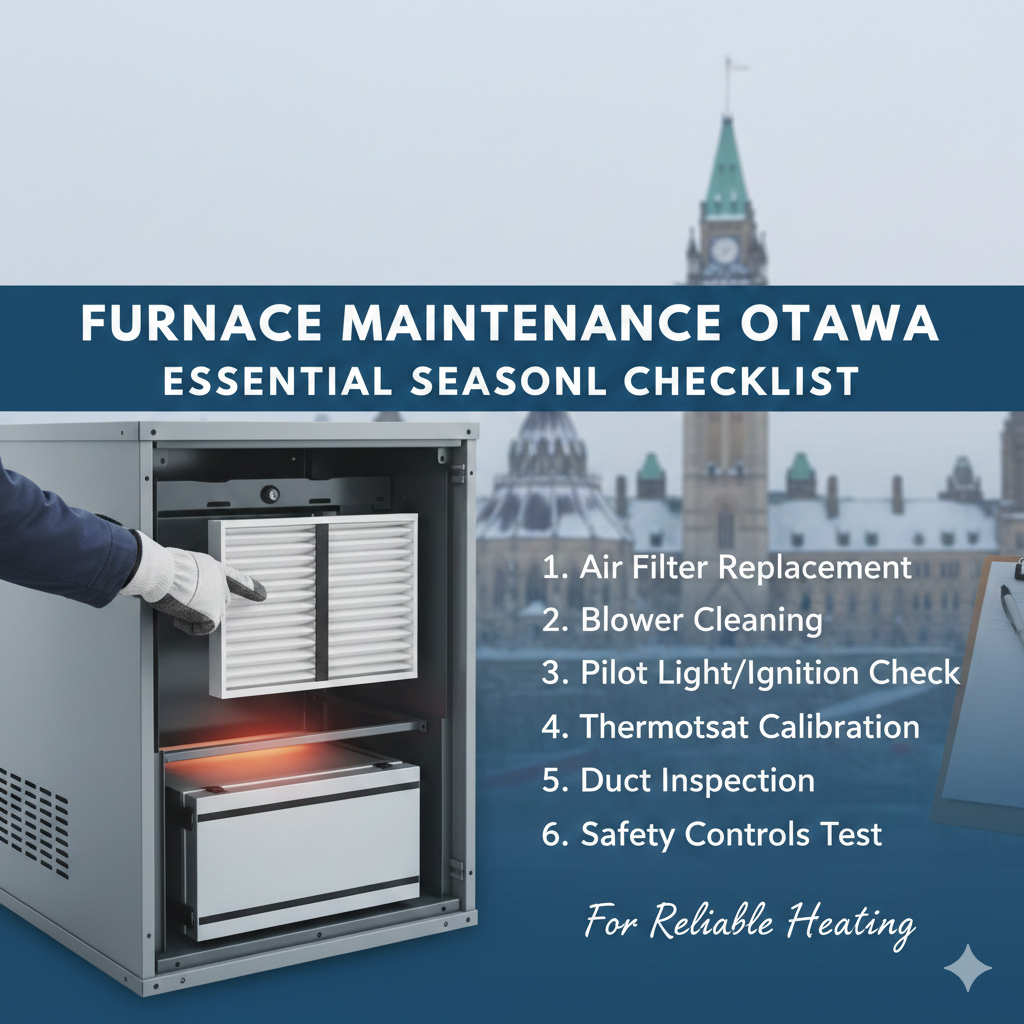
Schedule annual professional tune-ups before the heating season. A proper service should include: filter replacement, blower cleaning, combustion and venting inspection, heat exchanger check, thermostat calibration, and safety control testing.
You can perform monthly checks between visits: replace or wash filters every 1–3 months, clear debris around vents and the furnace cabinet, and ensure supply registers are open and unobstructed. Monitor for changes in noise, cycle frequency, or thermostat behavior and log them for technician review.
Enroll in a maintenance plan that provides priority service, discounted parts, and documented inspections. Regular maintenance improves efficiency, reduces emergency repairs, and helps catch small faults—like a cracked heat exchanger—before they become hazardous.