Planning home renovations in Hamilton can feel overwhelming, but you don’t have to navigate permits, contractors, or design choices alone. Start by defining your goals, budget, and timeline so you can choose the right scope—from a kitchen upgrade to a full-scale remodel—and hire contractors who specialize in local code and climate considerations.
In Home Renovations Hamilton You’ll learn practical steps for vetting contractors, understanding permits and local regulations, and prioritizing projects that deliver the best value for Hamilton homes. Expect clear guidance on popular projects, cost drivers, and tips to avoid common pitfalls so your renovation stays on schedule and on budget.
Essential Considerations for Home Renovations in Hamilton
Focus on permit requirements, finding a licensed contractor with local experience, and building a realistic budget that includes contingencies and municipal fees.
Local Building Codes and Permits
You must confirm which permits apply before work begins—common examples include structural changes, electrical, plumbing, and HVAC. Hamilton’s Building Services requires drawings and sealed documents for significant structural work; small cosmetic jobs often don’t need a permit but always verify with the city.
Schedule a pre-application or permit inquiry with Hamilton’s permit portal to learn required documents and timelines. Missing a permit can trigger stop-work orders, fines, or costly rework to meet code.
Keep copies of issued permits and inspection reports on site and track inspection dates. If your project affects heritage properties or conservation areas, expect additional approvals and longer lead times.
Choosing the Right Renovation Contractor
Seek contractors licensed for the trades they perform and look for proof of WSIB coverage, liability insurance, and valid HST registration. Ask for three recent Hamilton-area references and visit one completed job if possible to verify workmanship and timelines.
Obtain detailed written quotes that break down labor, materials, allowances, change-order processes, and payment schedule. Include a clause for unforeseen conditions and a firm start and completion window.
Check online reviews (Yelp, Google) and confirm the contractor’s familiarity with local suppliers, subtrades, and Hamilton inspection practices. Get all agreements in writing, including warranties and who is responsible for permit coordination.
Budgeting for Your Project
Start with a line-item budget: design fees, permits, demolition, materials, labor, trades, site cleanup, and contingency. Use a 10–20% contingency for minor surprises; increase to 20–30% for older homes or projects that uncover hidden issues like asbestos or structural repairs.
Factor in municipal fees: building permit fees, development charges (if applicable), and potential heritage application costs. Don’t forget temporary living costs if you’ll be displaced during major renovations.
Track spending against the budget weekly and require the contractor to submit invoices that match budget categories. Reserve funds for high-impact finishes so you don’t compromise on critical elements like insulation, roofing, or waterproofing.
Popular Home Renovation Projects in Hamilton
Expect projects that boost livability, increase resale value, and reduce operating costs. Typical choices in Hamilton focus on kitchens, bathrooms, basements, and energy upgrades that suit older stock and newer builds alike.
Kitchen Remodels
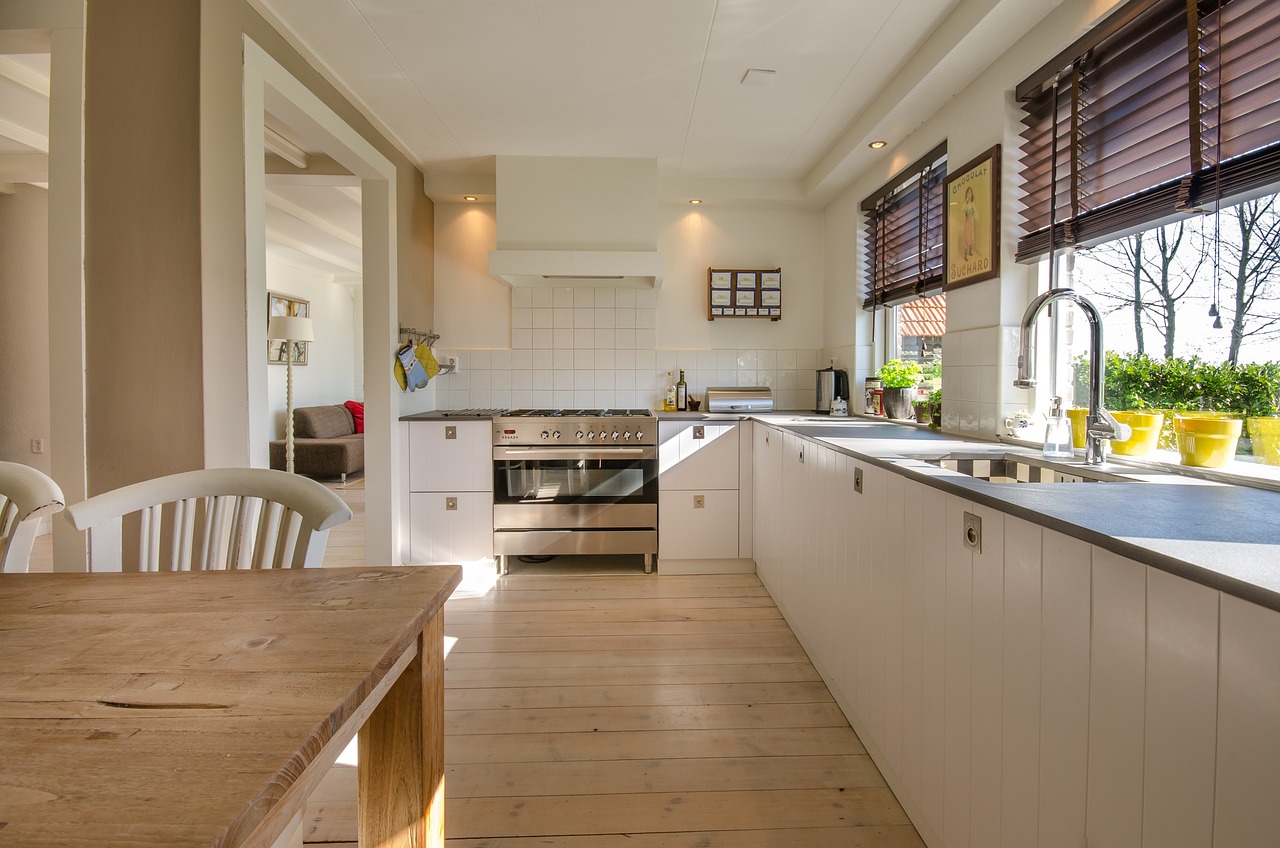
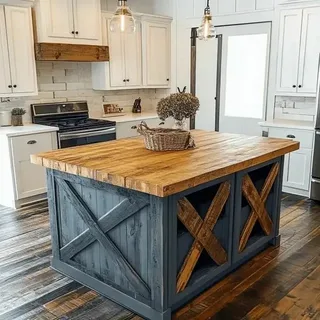
You’ll often prioritize layout changes that improve workflow: consider moving the range or sink only if plumbing and gas lines permit a clear return on investment. Open-plan layouts remain popular in Hamilton; removing a non-load-bearing wall creates sightlines and adds natural light, but always confirm structural status with a contractor and a permit where required.
Choose durable finishes that handle Ontario weather and resale expectations: quartz or engineered stone counters, semi-solid flooring (vinyl plank or engineered hardwood), and cabinet refacing when frames remain sound. Allocate budget roughly as: 30–40% for cabinets, 20% for appliances, 10–15% for counters, and the rest for labor, permits, and lighting. Plan for 6–10 weeks for a full remodel, longer if structural or permit delays occur.
Bathroom Upgrades
Focus on water-efficient fixtures and moisture control to prevent mold in Hamilton’s seasonal climate. Replace older toilets, taps, and showerheads with low-flow certified models; upgrade ventilation fans to 90+ CFM with timed controls and insulated ducts to the exterior.
Space-saving layouts matter in century homes: consider pocket doors, wall-mounted vanities, and curbless showers to maximize usable floor area. Tile choices should prioritize slip resistance for floors (COF ≥ 0.42) and large-format tiles to reduce grout maintenance. Budget a mid-range update at 2–4 weeks and a full gut renovation at 4–8 weeks, depending on plumbing relocations and tile complexity.
Basement Finishing
You’ll increase usable square footage and rental potential by converting basements into suites, family rooms, or home offices. Address moisture and insulation first: install a perimeter drain or interior weeping system if needed, apply vapor barriers, and insulate exterior walls with closed-cell spray foam or rigid board to meet Ontario building code R-values.
Plan egress, ceiling height, and mechanical access early. Legal basement apartments require separate entrances, compliant egress windows, smoke and CO alarms, and often upgraded HVAC and plumbing. Typical timeline runs 6–12 weeks for non-structural finishes; allow more time for electrical, gas, or structural work. Factor in local zoning rules and permit processing when estimating completion dates.
Energy-Efficient Improvements
You’ll lower operating costs and increase comfort by targeting the building envelope and systems. Start with attic and exterior wall insulation upgrades; in older Hamilton homes, adding blown-in cellulose to attic spaces and insulating rim joists can cut heat loss significantly. Replace single-pane windows with double- or triple-glazed units that have low-E coatings and argon fill.
Upgrade mechanical systems: high-efficiency furnaces (AFUE ≥ 95%), ENERGY STAR heat pumps, and on-demand tankless water heaters reduce energy bills. Consider air-sealing, programmable thermostats, and LED lighting as low-cost, high-impact measures. Check for provincial and federal rebates (e.g., Canada Greener Homes Grant) before finalizing your plans to reduce upfront costs.