You rely on the right scientific equipment to turn ideas into reliable results, whether you’re setting up a home lab, upgrading a research bench, or sourcing tools for teaching. Choose instruments that match your goals—accuracy for measurements, durability for routine use, and compatibility with your workflows—to get reproducible, trustworthy data.
This article will help you identify common types of equipment, from microscopes and incubators to analytical instruments and consumables, and show practical applications so you can match tools to tasks and budgets. Expect clear guidance on selecting, maintaining, and deploying equipment that keeps your projects moving forward.
Types of Scientific Equipment
You will encounter tools for handling samples, instruments that measure and control experiments, and devices that reveal structure at small scales. Each group serves distinct tasks: preparing and manipulating specimens, producing quantitative data, or producing visual detail.
Laboratory Instruments
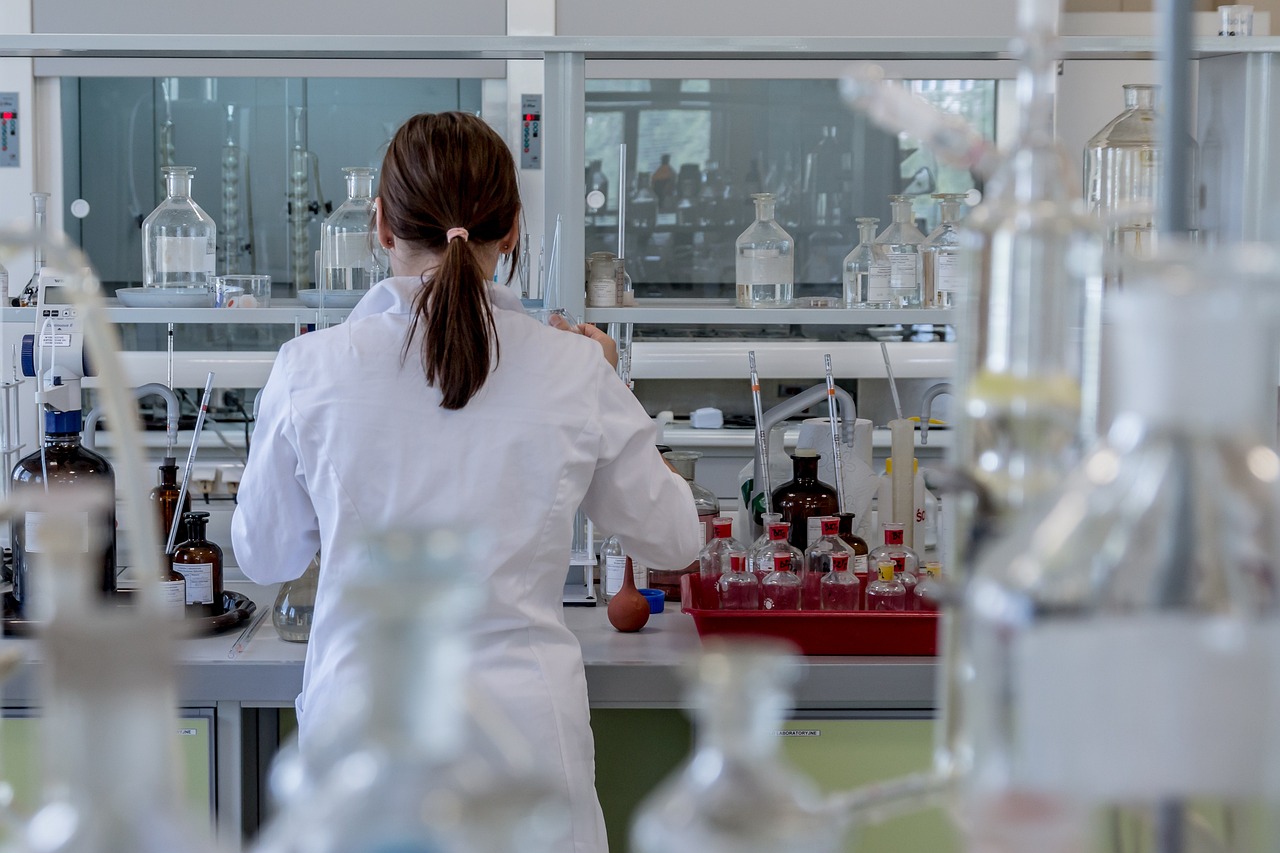
Laboratory instruments handle routine tasks you perform every day in a lab: measuring volumes, controlling temperature, and safely containing reactions. Common examples include pipettes, burettes, hot plates, stirrers, and autoclaves. Pipettes and burettes give precise liquid delivery; choose calibrated, well-maintained models for reproducible results.
Temperature control devices like incubators, ovens, and refrigerators maintain environments for biological cultures or chemical reactions. Use digital controllers and alarms to avoid drift. Safety and containment rely on fume hoods, biosafety cabinets, and proper waste disposal tools. Inspect seals, airflow, and filters regularly to protect you and your samples.
Maintain an inventory of consumables—tips, tubes, and filters—and follow a calibration schedule for balances and meters. Proper training on operation, cleaning, and maintenance reduces downtime and measurement error.
Analytical Equipment
Analytical equipment converts samples into quantitative data you can trust. Key instruments include spectrophotometers (UV-Vis, IR), chromatographs (HPLC, GC), and mass spectrometers. Spectrophotometers measure absorbance or transmittance for concentration and reaction kinetics. Chromatographs separate complex mixtures so you can identify and quantify components.
Mass spectrometers provide molecular weight and structural information when coupled to chromatographic separation. Electrochemical analyzers measure ions and redox states in real time. Choose methods based on sensitivity, throughput, and matrix compatibility for your samples.
Routine tasks for analytical devices include method validation, calibration with standards, and blanks to check contamination. Keep detailed logs of maintenance and performance checks to ensure data integrity and regulatory compliance.
Microscopes and Imaging Devices
Microscopes reveal morphology and fine structure across scales from cells to nanoparticles. Brightfield, phase-contrast, and fluorescence microscopes allow you to visualize stained or live specimens. Fluorescence systems need appropriate filters, light sources, and fluorophores matched to your targets.
For higher resolution use confocal or electron microscopes. Confocal microscopes provide optical sectioning for 3D reconstructions. Scanning and transmission electron microscopes (SEM/TEM) give nanometer-scale surface and internal detail but require specialized sample prep and vacuum systems.
Imaging devices often pair with software for image capture, processing, and quantitative analysis. Control image acquisition settings, calibrate scales, and apply consistent post-processing to avoid introducing bias into your measurements.
Applications of Scientific Equipment
Scientific equipment enables precise measurement, controlled manipulation, and reliable analysis across experiments, production, and clinical diagnostics. You will see how equipment choices affect data quality, safety, and throughput in three key settings.
Academic Research
You use microscopes, spectrometers, chromatography systems, and PCR machines to generate reproducible data and test hypotheses. High-resolution imaging (confocal or electron) reveals subcellular structure; mass spectrometers and HPLC separate and identify molecules; real-time PCR quantifies gene expression.
Maintain calibrations, follow instrument SOPs, and log metadata to ensure results withstand peer review and replication attempts.
Funding and space constraints often shape equipment selection. Core facilities let you access expensive instruments like NMR or cryo-EM without full ownership. Shared-use models require scheduling, training, and clear data-management policies so your experiments remain efficient and compliant.
Safety and waste handling matter for biological and chemical work. Use biosafety cabinets, fume hoods, and appropriate personal protective equipment. Recordkeeping for hazardous materials and instrument maintenance reduces downtime and protects your labmates.
Industrial Laboratories
In industry, you prioritize throughput, automation, and regulatory compliance. Automated liquid handlers, process analyzers, and inline sensors speed routine assays and control production parameters. You choose robust instruments with validated performance to meet ISO, GLP, or GMP standards.
Quality control relies on calibrated balances, particle counters, and spectrophotometers to verify product specifications. You integrate laboratory information management systems (LIMS) with instruments to capture audit trails and support traceability during batch release.
Maintenance contracts and validation protocols keep critical systems online. Redundancy—backup analyzers or parallel workflows—reduces production risk. You also consider cost of consumables and total cost of ownership when specifying equipment for scale-up.
Medical and Clinical Use
Patient care demands accuracy, speed, and regulatory certification (e.g., FDA, CE). Clinical laboratories use hematology analyzers, immunoassay platforms, PCR diagnostics, and mass spectrometry for toxicology and newborn screening. Point-of-care devices—glucometers, rapid antigen tests—deliver immediate results at bedside.
You must follow CLIA/CAP standards and implement quality control, proficiency testing, and instrument verification. Turnaround time and sensitivity/specificity of assays directly affect clinical decisions, so you prioritize validated platforms and robust QA processes.
Infection control and sample chain-of-custody are critical. Use barcode tracking, secure refrigeration, and validated transport containers to preserve specimen integrity. Regular staff training on instrument operation minimizes errors and supports patient safety.