
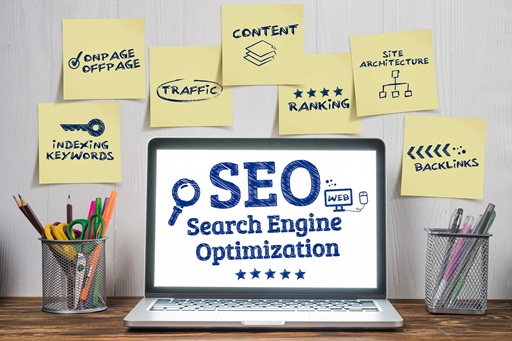
You want measurable search visibility and more qualified traffic, but the right SEO agency will do more than promise rankings — it builds a strategy tailored to your goals, audience, and market. An effective SEO agency analyzes your site, fixes technical issues, optimizes content, and builds authority so your organic traffic grows in ways that align with your business objectives.
This article shows what an SEO agencies does, how to evaluate capabilities and track real results, and how to pick a partner who fits your budget and industry. Keep reading to learn the practical questions to ask, the red flags to avoid, and the signals that indicate an agency can deliver sustainable organic growth.
What Is an SEO Agency?
An SEO agency is a specialized firm that helps you increase organic search visibility, drive qualified traffic, and turn visitors into leads or sales. They combine technical fixes, content strategy, and outreach to improve how search engines and users find and trust your site.
Core Services Provided
An SEO agency delivers a blend of technical, content, and off-site work tailored to your goals.
- Technical SEO: Crawlability, site architecture, XML sitemaps, schema markup, redirects, and Core Web Vitals improvements. These fixes help search engines index and rank your pages reliably.
- On-page SEO: Keyword research, title/meta optimization, header structure, internal linking, and content optimization to match user intent and improve click-through rates.
- Content strategy and creation: Topic research, content calendars, conversion-focused landing pages, blog posts, and content briefs that align with target keywords and buyer stages.
- Off-page / link building: Outreach, digital PR, guest posts, and partnership strategies to earn relevant, authoritative backlinks.
- Analytics & reporting: Setup and interpretation of Google Analytics/GA4, Search Console, and custom dashboards to measure traffic, rankings, and ROI.
- Local & eCommerce SEO (when applicable): Google Business Profile optimization, local citations, product schema, and category optimization for shopping platforms.
You should expect clear deliverables and timelines for each service, not vague promises.
Benefits of Hiring an SEO Agency
Hiring an agency gives you access to specialized skills, consistent processes, and measurable outcomes that most in-house teams lack.
- Expertise and tools: Agencies maintain teams of specialists — technical SEOs, content strategists, link builders, and analysts — plus subscriptions to keyword and audit tools that you’d otherwise buy separately.
- Time and resource efficiency: Agencies handle research, execution, and reporting so your internal team can focus on product and customer work.
- Faster, scalable results: Agencies implement prioritized roadmaps (technical fixes first, then content and links) to reduce time-to-impact and scale efforts across many pages.
- Risk management: Experienced agencies follow search-engine guidelines and use safe link-building tactics to avoid penalties.
- Transparent measurement: Regular reports tie activities to KPIs like organic traffic, rankings for target keywords, and conversion metrics so you can evaluate ROI.
Choose an agency that provides case studies, clear SLAs, and a timeline tied to specific KPIs.
Types of SEO Agencies
Different agencies specialize in distinct markets and approaches; pick one that matches your needs and budget.
- Full-service SEO agencies: Offer end-to-end SEO across technical, content, and links. Best if you need a comprehensive, long-term program.
- Technical SEO specialists: Focus on crawlability, site speed, and architecture. Ideal for large sites or migrations.
- Content-first agencies: Emphasize content strategy, production, and topical authority. Good for thought-leadership, SaaS, and content-driven growth.
- Local SEO firms: Optimize Google Business Profile, citations, and localized content. Best for multi-location businesses and service-area companies.
- eCommerce SEO specialists: Prioritize product schema, category optimization, site search, and conversion rate optimization for online stores.
- Boutique vs. enterprise agencies: Boutique firms offer hands-on senior expertise; enterprise agencies provide scale and cross-channel integration.
Match agency type to your business model, current SEO maturity, and measurable goals before engaging.
How to Choose the Right SEO Agency
Focus on measurable track records, concrete processes, and clear communication. Prioritize agencies that match your industry experience, offer transparent pricing, and commit to regular, actionable reporting.
Evaluating Experience and Credibility
Check case studies that show real KPIs: organic traffic increases, keyword ranking improvements, and conversion lifts. Verify the timeline and the client’s starting position so you can judge whether results are proportional to effort.
Confirm certifications and platform partnerships (Google Partner, Bing, major analytics tools) and review independent client feedback on third-party sites. Ask for references you can contact and request examples of work in your vertical or with similar-sized budgets.
Look for team transparency: who will handle strategy, technical SEO, content, and outreach? Small dedicated teams can be better for direct access, while larger shops may offer more specialized skills. Avoid agencies that promise rankings without showing process.
Key Questions to Ask Before Hiring
Ask for a detailed proposal that lists goals, deliverables, timelines, and success metrics. Request a prioritized roadmap (technical fixes, content plan, link strategy) with estimated hours and costs per item.
Ask how they conduct keyword research and how they tie keywords to business intent and conversion paths. Inquire about link acquisition methods and get specifics on outreach practices to ensure ethical, white-hat tactics.
Clarify contract terms: minimum commitment, termination clauses, and refund policies for unfulfilled milestones. Ask about tools they use, data ownership, and whether you’ll retain assets like content and analytics access if you leave.
Agency Reporting and Communication Practices
Require a reporting cadence and sample report before you sign: weekly check-ins, monthly performance reports, and quarterly strategy reviews are common. Reports should include traffic, rankings, conversions, work completed, and next-step priorities—not just vanity metrics.
Specify the communication channels and points of contact: a dedicated account manager, technical lead, and content manager are ideal. Set expectations for response times and escalation routes for urgent issues.
Demand access to raw data and dashboards (Google Analytics, Search Console, project management board). Insist on action-oriented insights in reports, with clear next steps and responsible owners listed for each task.