
The weeks and months leading up to a plastic surgery procedure are often filled with excitement, anticipation, and a fair amount of research. You’ve vetted your surgeon, studied the “before and after” galleries, and cleared your schedule for the big day. But as the date approaches, a new feeling often begins to surface: the realization of the “day after.”
In the current medical landscape, many aesthetic procedures—including major ones like abdominoplasty (tummy tucks), multi-site liposuction, and comprehensive facelifts—are performed in outpatient surgical centers. This means that once the anesthesia wears off and your vitals are stable, you are discharged to recover in the comfort of your own home.
While “home” sounds like the ideal place to heal, the first 48 to 72 hours post-surgery are the most physically and emotionally demanding. This has led to a significant shift in how savvy patients plan their recovery. Increasingly, the modern surgical plan includes a personal nurse after plastic surgery.
In this deep dive, we will explore why professional one-on-one nursing is becoming the “gold standard” for aesthetic recovery, the clinical risks it helps mitigate, and how it preserves the very results you’ve invested so much to achieve.
Bridging the “Recovery Gap”
The “recovery gap” is the period between leaving the high-tech monitoring of a surgical facility and reaching the point where you can safely care for yourself. During this window, you are navigating the tail-end of general anesthesia, managing complex medication schedules, and dealing with physical restrictions that make even a trip to the bathroom a logistical challenge.
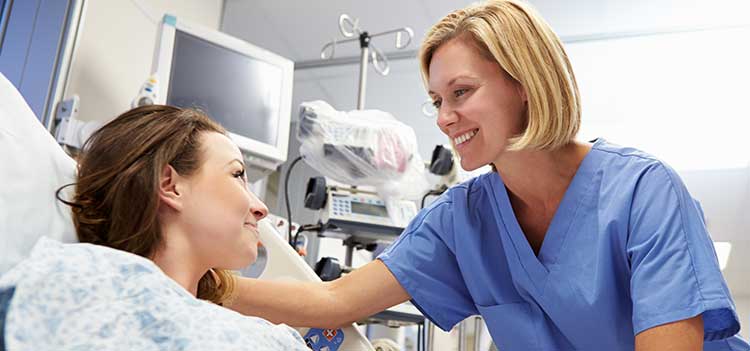
A personal nurse after plastic surgery acts as the bridge across this gap. They aren’t just a “helper”; they are a clinical advocate who understands the specific trauma your body has undergone and knows exactly how to facilitate the repair process.
The Clinical Case for Private Nursing
While many patients initially consider having a spouse or a friend help them, it is important to distinguish between “support” and “clinical care.” Here is why the professional perspective is vital:
1. Early Detection of Red Flags
Post-operative complications, such as a hematoma (internal bleeding), infection, or Deep Vein Thrombosis (DVT), often start with subtle symptoms. A family member might see swelling and think it’s normal; a nurse sees that same swelling and recognizes the specific “feel” or “hue” of a developing hematoma. Early intervention can mean the difference between a quick call to the surgeon and an emergency re-operation.
2. The Science of Pain Management
Effective pain management isn’t about taking pills when the pain becomes unbearable; it’s about maintaining a steady state of comfort so your body can focus on healing. A nurse manages the “therapeutic window,” ensuring medications are rotated correctly to avoid nausea while preventing “breakthrough pain” that can lead to spiked blood pressure and increased bleeding risk.
3. Professional Drain and Wound Care
Many body contouring procedures require surgical drains to prevent fluid buildup (seromas). Managing these—”stripping” the lines, measuring the fluid, and keeping the insertion sites sterile—is often the most stressful part of recovery for laypeople. A personal nurse handles this with clinical precision, ensuring the records are accurate for your surgeon’s review.
Procedure-Specific Benefits
Different surgeries come with different “hurdles.” A personal nurse tailors their care to the specific requirements of your procedure.
Tummy Tucks (Abdominoplasty)
This is perhaps the most physically taxing recovery. Because the abdominal muscles have been tightened, you cannot stand up straight for several days. A nurse assists with the “hunched walk,” ensures you are positioned correctly in bed to take tension off the incision, and monitors for pulmonary issues, as deep breathing can be difficult when the core is tight.
Facelifts and Neck Lifts
Recovery from facial surgery is as much psychological as it is physical. Seeing yourself bruised and swollen can be jarring. A nurse provides constant cold compress rotation to minimize swelling and monitors for any signs of facial nerve weakness or skin-flap issues that require immediate attention.
Liposuction and Brazilian Butt Lifts (BBL)
With these procedures, fluid management and “leaking” from incision sites are common in the first 24 hours. A nurse manages the mess, assists with the difficult task of getting in and out of specialized compression garments, and ensures you aren’t putting pressure on newly transferred fat cells.
The Emotional Anchor: Navigating the “Post-Op Blues”
The “Post-Op Blues” is a very real physiological event that usually hits between day three and day five. It is caused by a “perfect storm” of factors: the withdrawal of anesthesia, the inflammatory response of the body, lack of sleep, and the sudden drop in the adrenaline that carried you through the surgery date.
During this time, patients often feel overwhelmed, tearful, or regretful. Having a personal nurse after plastic surgery provides a massive psychological buffer. When you feel a sharp twinge and panic, the nurse is there to explain why it’s happening and why it’s normal. This professional reassurance lowers cortisol levels, and lower stress leads to faster cellular repair.
Finding the Right Expert
Not all nurses are the same. When you are looking for a professional to guide your recovery, you want someone who specializes in the “Aesthetic” niche. You need someone who understands the difference between a surgical emergency and a standard post-op inflammatory response.
For patients who want to take the guesswork out of this process, platforms like Plastic Surgery Nurse serve as a vital resource. These services connect patients with licensed professionals who are specifically trained in post-operative aesthetic care. By using a dedicated service, you ensure that your nurse isn’t just a generalist, but someone who understands the nuances of compression, lymphatic drainage, and the specific protocols required by top-tier plastic surgeons.
Preparing for Your Private Nurse
If you’ve decided to invest in professional nursing, a little preparation ensures the smoothest experience possible:
-
The “Hand-Off”: Ensure your nurse is present for the discharge instructions at the surgical center. They can ask the technical questions you might be too “foggy” to remember.
-
The Medication Station: Have a clear, flat surface ready for the nurse to organize medications, bandages, and logs.
-
Communication: Give your nurse a list of your surgeon’s contact info and your emergency contacts.
-
The Environment: Set up your recovery area (whether a recliner or a bed with wedges) before you leave for surgery.
Comparison: Recovery Options
Frequently Asked Questions
Q: Is a personal nurse only for the “wealthy”? A: While it is an added cost, many patients now view it as a standard part of the surgical budget—similar to the anesthesia fee. It is an investment in preventing costly (and painful) complications.
Q: Can a nurse stay with me in a hotel? A: Yes. Many “medical tourists” or patients who travel to a different city for a specific surgeon will hire a personal nurse to stay with them in a hotel or a specialized recovery suite.
Q: How many nights do I need a nurse? A: This varies. For most, the first 24 to 48 hours are the most critical. Some patients undergoing massive transformations (like a “Mommy Makeover”) may prefer 3 to 5 days of oversight.
The Ultimate Return on Investment: Your Results
Ultimately, the reason you chose to have surgery was to achieve a specific look. That look is highly dependent on how your skin heals, how your fluid levels are managed, and how strictly you follow post-op protocols.
A personal nurse after plastic surgery is the guardian of your results. By preventing the complications that lead to poor scarring or contour irregularities, they ensure that the “after” photo you’ve been dreaming of becomes your reality.
When you look back on your surgical journey, you won’t remember the cost of the nursing care—you will remember the feeling of being safe, the absence of panic, and the confidence that you gave your body every possible advantage during its most vulnerable time.
Conclusion
Plastic surgery is an empowering choice, but the surgery itself is only the first half of the equation. The second half is the recovery. By choosing to have a professional nurse by your side, you are choosing a path of safety, luxury, and clinical excellence.
Don’t leave the most important days of your healing process to chance. Plan for a professional recovery, and give yourself the peace of mind that comes with knowing an expert is watching over every heartbeat, every breath, and every step of your journey back to your best self.