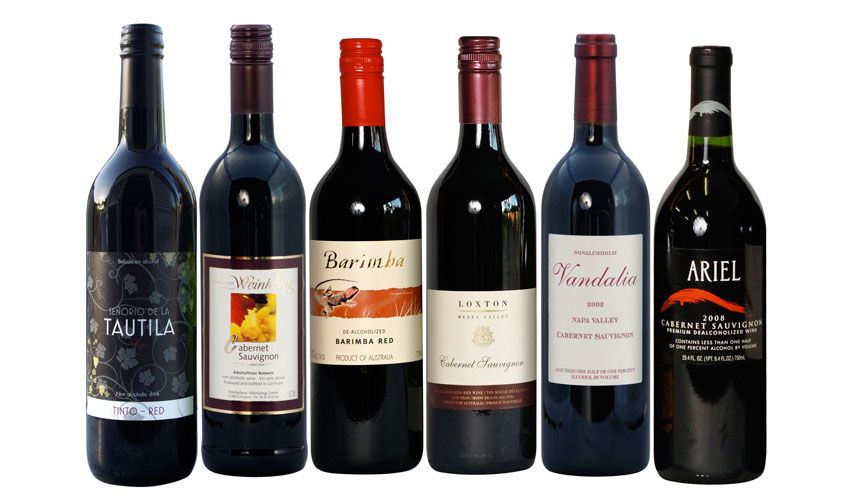
Wine production has always been closely tied to the natural process of fermentation, where yeast converts sugars from grapes into alcohol and carbon dioxide. However, in recent years, consumer demand for healthier lifestyles and mindful drinking habits has led to a growing interest in non alcoholic wine.
Understanding how wine can be produced without significant alcohol content requires a deep look into the science of fermentation, yeast metabolism, and modern dealcoholization techniques.
This article explores the biochemical and technological principles that make alcohol-free wine possible while still preserving the complex flavors and aromas traditionally associated with wine.
The Basics of Fermentation in Wine
Fermentation is a metabolic process carried out primarily by yeast, especially Saccharomyces cerevisiae. When grapes are crushed, their natural sugars—glucose and fructose—are exposed. Yeast consumes these sugars and converts them into ethanol (alcohol) and carbon dioxide.
The simplified reaction is:
Sugar → Ethanol + Carbon Dioxide + Energy
This process not only produces alcohol but also generates hundreds of secondary compounds such as esters, aldehydes, and organic acids. These compounds are responsible for the aroma, mouthfeel, and complexity of wine.
In traditional winemaking, fermentation continues until most sugars are converted into alcohol. In the case of non alcoholic wine, this process is either stopped early or reversed using modern scientific techniques.
Controlling Yeast Activity for Low Alcohol Production
One of the primary scientific approaches to creating alcohol-free wine involves controlling yeast metabolism during fermentation. Winemakers can limit alcohol production by manipulating environmental conditions that affect yeast activity.
Temperature is one of the most important factors. Yeast activity slows significantly at lower temperatures, which can reduce the rate of sugar conversion. Similarly, limiting oxygen exposure and nutrient availability can restrict fermentation efficiency.
Another approach involves selecting specialized yeast strains that naturally produce less ethanol. These strains redirect sugar metabolism toward other byproducts, resulting in lower alcohol formation. This controlled fermentation is one of the earliest steps in producing non alcoholic wine with acceptable flavor profiles.
Dealcoholization Techniques
Most modern non alcoholic wine is produced through a process known as dealcoholization, where fermentation occurs normally, and alcohol is removed afterward. This allows winemakers to develop full-bodied flavor profiles before extracting the ethanol.
Vacuum Distillation
Vacuum distillation lowers the boiling point of alcohol by reducing atmospheric pressure. This allows ethanol to evaporate at relatively low temperatures, preserving delicate flavor compounds that would otherwise be destroyed by heat.
Reverse Osmosis
Reverse osmosis is a membrane-based filtration process. Wine is forced through a semipermeable membrane that separates alcohol and water from larger flavor molecules. The alcohol-water mixture is then treated separately, and the remaining flavor-rich concentrate is recombined, producing alcoholic wine with more preserved aromatic complexity.
Spinning Cone Column
The spinning cone column is one of the most advanced methods used in the industry. It separates volatile aroma compounds from alcohol in stages using centrifugal force and vacuum pressure. First, aroma compounds are collected and stored. Then alcohol is removed, and finally, the aroma compounds are reintroduced, maintaining a more authentic wine character.
Flavor Chemistry and Sensory Challenges
One of the biggest scientific challenges in producing wine is maintaining the balance of flavor and mouthfeel. Alcohol contributes significantly to a wine’s body, texture, and perception of sweetness.
Without ethanol, wines can taste thin or overly acidic. To address this, winemakers often adjust acidity levels, add natural flavor concentrates, or use controlled fermentation to retain glycerol, a compound that enhances body and smoothness.
Aroma compounds such as esters and terpenes are also highly volatile and can be lost during alcohol removal. Preserving or reintroducing these compounds is critical for creating a satisfying sensory experience in wine.
The Role of Sugar and Residual Fermentation
Residual sugar plays a major role in balancing taste. Since alcohol contributes bitterness and warmth, its absence must be compensated for carefully. Some producers intentionally leave a small amount of residual sugar to enhance flavor depth.
However, controlling microbial stability becomes essential. Without sufficient alcohol, the wine is more susceptible to spoilage. Sterile filtration, pasteurization, and preservatives may be used to ensure shelf stability while maintaining the integrity of wine.
Nutritional and Chemical Composition
From a scientific standpoint, non alcoholic whiskey retains many of the beneficial compounds found in traditional wine, including polyphenols, flavonoids, and antioxidants. These compounds originate from grape skins and seeds and are largely unaffected by dealcoholization methods.
However, the absence of ethanol changes how these compounds are absorbed and metabolized in the human body. Research is still ongoing to fully understand the health implications, but early findings suggest that alcohol-free wine can still provide antioxidant benefits without the risks associated with alcohol consumption.
Technological Innovations in Modern Winemaking
Advances in food science and engineering have significantly improved the quality of non alcoholic wine. Artificial intelligence is now being used to optimize fermentation conditions, predict flavor outcomes, and fine-tune dealcoholization parameters.
Nanofiltration membranes, improved vacuum systems, and precision-controlled spinning cone technology are helping producers retain more authentic wine characteristics than ever before. These innovations continue to bridge the gap between traditional wine and its alcohol-free counterpart.
Consumer Demand and Market Growth
The demand for wine has increased dramatically as consumers adopt healthier lifestyles and seek alternatives to alcoholic beverages. This has encouraged wineries to invest heavily in research and development to improve quality and authenticity.
Modern consumers expect alcohol-free wine to replicate the complexity of traditional wine, not just serve as a substitute. As a result, scientific advancements in fermentation control and aroma preservation have become central to industry growth.
Future of Alcohol-Free Fermentation
The future of non alcoholic wine lies in precision fermentation and synthetic biology. Researchers are exploring genetically optimized yeast strains that produce minimal alcohol while enhancing flavor compounds.
Additionally, hybrid fermentation systems may allow winemakers to selectively control metabolic pathways, producing wine that is naturally low in alcohol without requiring extensive removal processes.
As science continues to evolve, alcohol-free wine is expected to become increasingly indistinguishable from traditional wine in both taste and aroma.
Conclusion
The science behind alcohol-free fermentation combines microbiology, chemistry, and advanced engineering to transform traditional winemaking into a modern innovation. Through controlled fermentation and sophisticated dealcoholization techniques, producers can create non alcoholic wine that retains much of the complexity and enjoyment of conventional wine.
While challenges remain in flavor preservation and stability, ongoing research and technological advancements are rapidly closing the gap. As a result, alcohol-free wine is no longer just an alternative—it is becoming a scientifically refined category of its own.