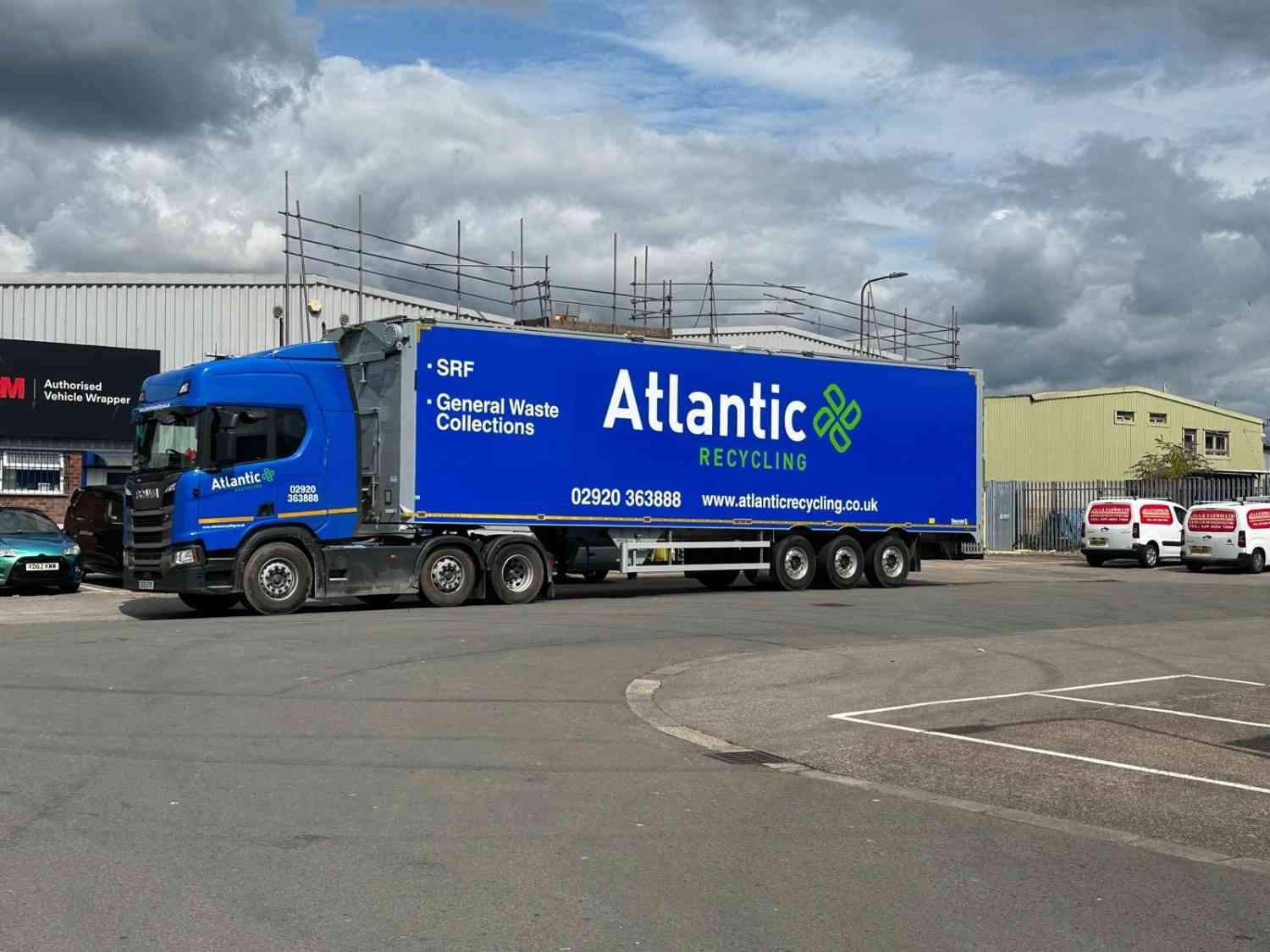
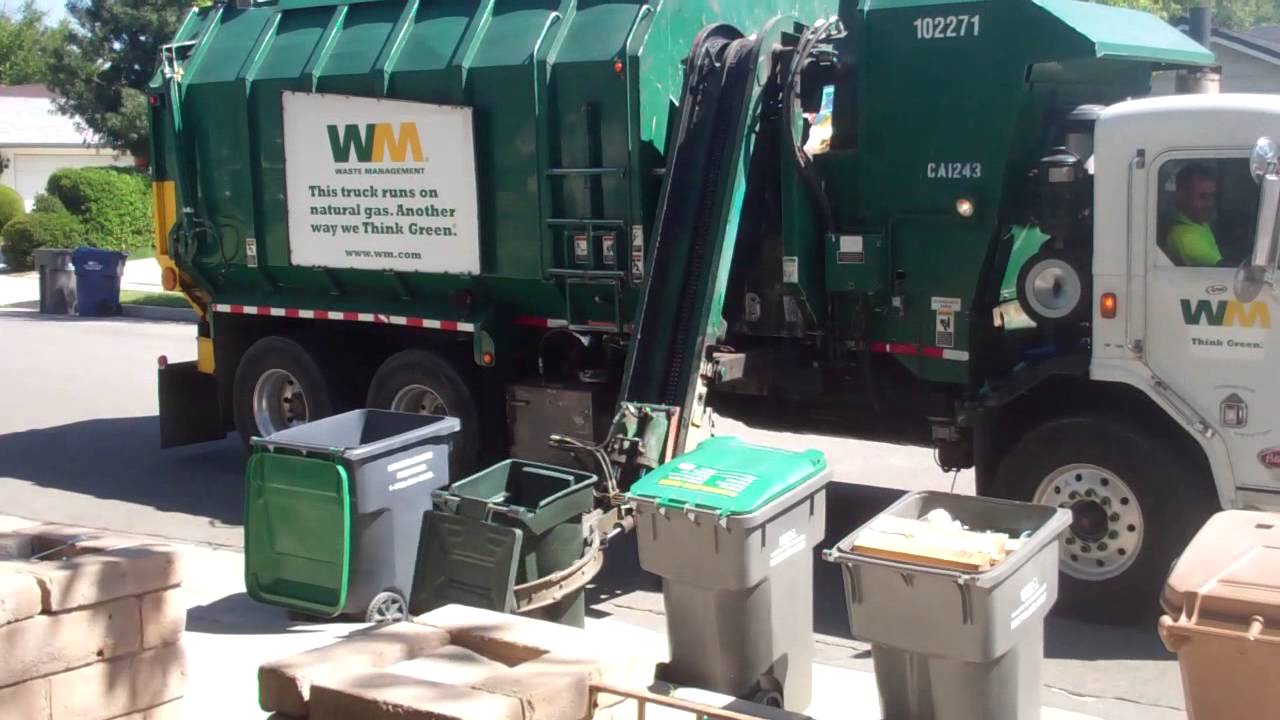
Waste management has become one of the most pressing environmental concerns for towns and cities across the globe, and Ripon is no exception. As a historic city with a growing population and evolving economic activity, Ripon faces unique challenges in managing its waste efficiently while protecting its natural surroundings. Addressing these challenges requires a combination of improved infrastructure, community awareness, and sustainable innovation.
Current Waste Management Landscape
Ripon’s waste management system primarily relies on local council services responsible for the collection, sorting, and disposal of household and commercial waste. Like many small cities, Ripon operates a structured system that includes general waste collection, recycling programs, and garden waste services. While these systems are functional, increasing waste volumes have started to strain existing resources.
One of the key issues is the rising amount of household waste. With population growth and changing consumption patterns, residents are generating more waste than ever before. Packaging materials, particularly plastics, contribute significantly to this increase. Despite recycling programs, a considerable portion of recyclable material still ends up in general waste due to improper sorting or lack of awareness.
Another challenge lies in the contamination of recyclable waste. When non-recyclable items are mixed with recyclable materials, entire batches can become unsuitable for processing. This not only reduces recycling efficiency but also increases operational costs. In Ripon, this issue is often linked to confusion about recycling guidelines and inconsistent adherence by residents.
Environmental Concerns
Improper waste disposal has direct environmental consequences. Landfills, which are still a major method of waste disposal, contribute to greenhouse gas emissions, particularly methane. In a region like Ripon, known for its scenic beauty and proximity to natural landscapes, landfill expansion poses risks to ecosystems and groundwater quality.
Littering is another concern affecting both urban and rural areas. Public spaces, waterways, and countryside locations occasionally suffer from illegal dumping and litter accumulation. This not only damages the environment but also impacts tourism and community well-being.
Additionally, the increasing use of single-use plastics exacerbates the problem. While recycling can mitigate some of the impact, the sheer volume of plastic waste presents a long-term sustainability challenge.
Infrastructure Limitations
Waste management in Ripon also faces infrastructural constraints. Recycling facilities have limited capacity, and transportation of waste to processing centers can be costly and inefficient. Rural areas surrounding the city may experience less frequent collection services, leading to inconsistent waste handling practices.
Moreover, existing systems are often reactive rather than proactive. Instead of focusing on reducing waste generation, much of the effort is directed toward managing waste after it has already been produced. This approach is neither sustainable nor cost-effective in the long run.
Community Awareness and Behavior
Public participation plays a crucial role in effective waste management. In Ripon, as in many communities, there is still a gap between awareness and action. While many residents understand the importance of recycling, consistent and correct practices are not always followed.
Education campaigns have been implemented, but their reach and impact can be limited. Without clear and continuous communication, residents may remain uncertain about proper waste sorting and disposal methods. Behavioral change is essential to improving overall efficiency in waste management systems.
Sustainable Solutions for Ripon
Addressing these challenges requires a shift toward sustainable waste management practices. One of the most effective strategies is waste reduction at the source. Encouraging residents and businesses to minimize waste generation can significantly reduce the burden on collection and disposal systems. This can be achieved through initiatives such as promoting reusable products, reducing packaging, and supporting local zero-waste shops.
Improving recycling systems is another critical step. Simplifying recycling guidelines and ensuring consistency in communication can help reduce contamination rates. Introducing more accessible recycling points and expanding collection services can also enhance participation.
Composting is an underutilized solution that holds great potential for Ripon. Organic waste, including food scraps and garden waste, makes up a significant portion of household waste. By promoting home composting and expanding community composting programs, the city can reduce landfill use while producing valuable soil nutrients.
Investment in modern waste processing technologies is equally important. Advanced sorting facilities, waste-to-energy plants, and improved logistics can increase efficiency and reduce environmental impact. While such investments require funding, they offer long-term benefits in terms of sustainability and cost savings.
Policy and Government Initiatives
Local government plays a key role in shaping waste management practices. Strong policies and regulations can drive positive change. For example, introducing incentives for recycling and penalties for excessive waste generation can encourage responsible behavior.
Collaboration with businesses is also essential. Retailers and manufacturers can be encouraged to adopt sustainable packaging and reduce waste throughout their supply chains. Partnerships between the public and private sectors can lead to innovative solutions and shared responsibility.
Furthermore, aligning local strategies with national and global sustainability goals can provide a clear framework for progress. Policies focused on reducing carbon emissions, promoting circular economies, and minimizing landfill use can guide Ripon toward a more sustainable future.
The Role of Innovation
Innovation can transform waste management in Ripon. Smart waste collection systems, for instance, use sensors to optimize collection routes and reduce fuel consumption. Digital platforms can provide residents with real-time information about waste schedules and recycling guidelines.
Additionally, creative approaches such as repair cafes, upcycling workshops, and community swap events can help extend the lifecycle of products and reduce waste generation. These initiatives not only benefit the environment but also strengthen community engagement.
Looking Ahead
The future of waste management in Ripon depends on a collective effort from residents, businesses, and local authorities. While current challenges are significant, they also present opportunities for innovation and improvement. By embracing sustainable practices and fostering a culture of responsibility, Ripon can become a model for effective waste management in small cities.
Ultimately, the goal is to move beyond simply managing waste to preventing it altogether. A shift toward a circular economy—where resources are reused, recycled, and repurposed—can ensure long-term environmental and economic sustainability.
Conclusion
Waste management in Ripon is at a critical juncture. Rising waste volumes, environmental concerns, and infrastructural limitations highlight the need for change. However, through a combination of education, policy, innovation, and community participation, sustainable solutions are within reach.
By prioritizing waste reduction, improving recycling systems, and investing in modern technologies, Ripon can address its current challenges and build a cleaner, greener future. The journey toward sustainability requires commitment and collaboration, but the benefits for the environment and the community make it a goal worth pursuing.